Skip to content
The Front Line
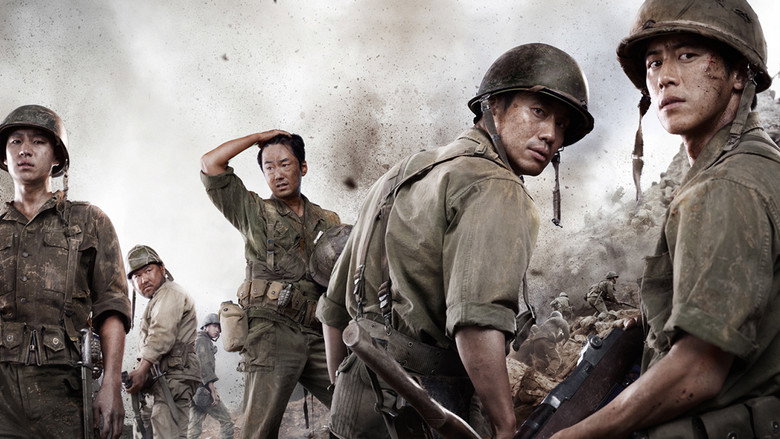
A bleak, exhausted war drama where mist-wrapped ridges swallow men by the hundreds. It leaves grief and absurd laughter, as a single hill changes hands like a coin nobody can spend.
The Front Line
The Front Line

고지전

"Last battle of the Korean War."

20 July 2011 South Korea 133 min 7.2 (212)

Director: Jang Hoon

Cast: Shin Ha-kyun, Go Soo, Lee Je-hoon, Ryu Seung-su, Ko Chang-seok

Drama War Action The Absurdity and Futility of War Loss of humanity and the walking dead One nation, divided brothers Camaraderie versus duty Purpose and ideology
Budget: $10,000,000
Box Office: $15,786,086

The Front Line — Ending Explained

⚠️ Spoiler Analysis

The mystery of the dead commander and the mole is bound up with the men's loyalty. Eun-pyo's investigation is overtaken by his integration into Alligator Company. Soo-hyeok, who was reported missing in action, has become the unit's hardest fighter. The unit also has contact with the North's soldiers, including a sniper nicknamed "Two Seconds", who is shown crying while singing a song with the men before the final battle.

When the ceasefire is finally agreed, there are twelve hours before it takes effect, and the officers on both sides order one more battle for the hill. The soldiers who survived the whole war die in the final hours. Several key characters die, one of them in a shocking way. At the end, a radio announces the ceasefire and the stand-down orders. Eun-pyo and a Northern officer laugh hysterically, a laughter mixed with tears that reviewers called the film's image of the madness of war. The hidden meaning is that the deaths of the last twelve hours were pointless, and that the question of what the men fought for is left without an answer.

Alternative Interpretations

Some critics read the film as a pacifist argument that the soldiers on both sides are victims. Others see it as a more specifically Korean story about a nation split into brothers who are forced to kill each other. A third reading focuses on the sentimentality, such as the scenes with children, as a deliberate melodramatic counterweight to the violence, though some reviewers found it overdone. The ending's laughter alongside tears can be read as either the madness of war or a release from it.

Explore More About This Movie

Dive deeper into specific aspects of the movie with our detailed analysis pages

Similar Movies